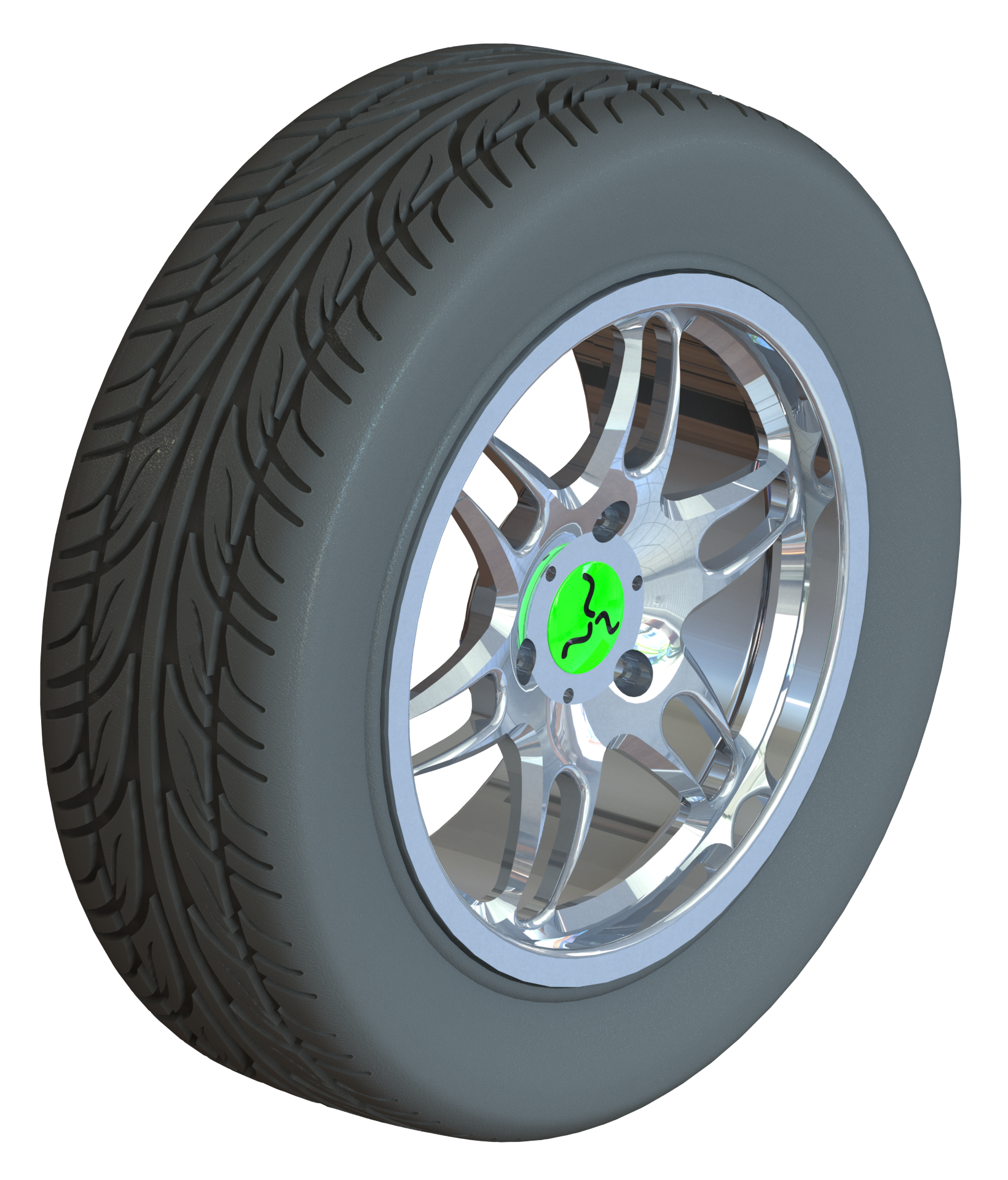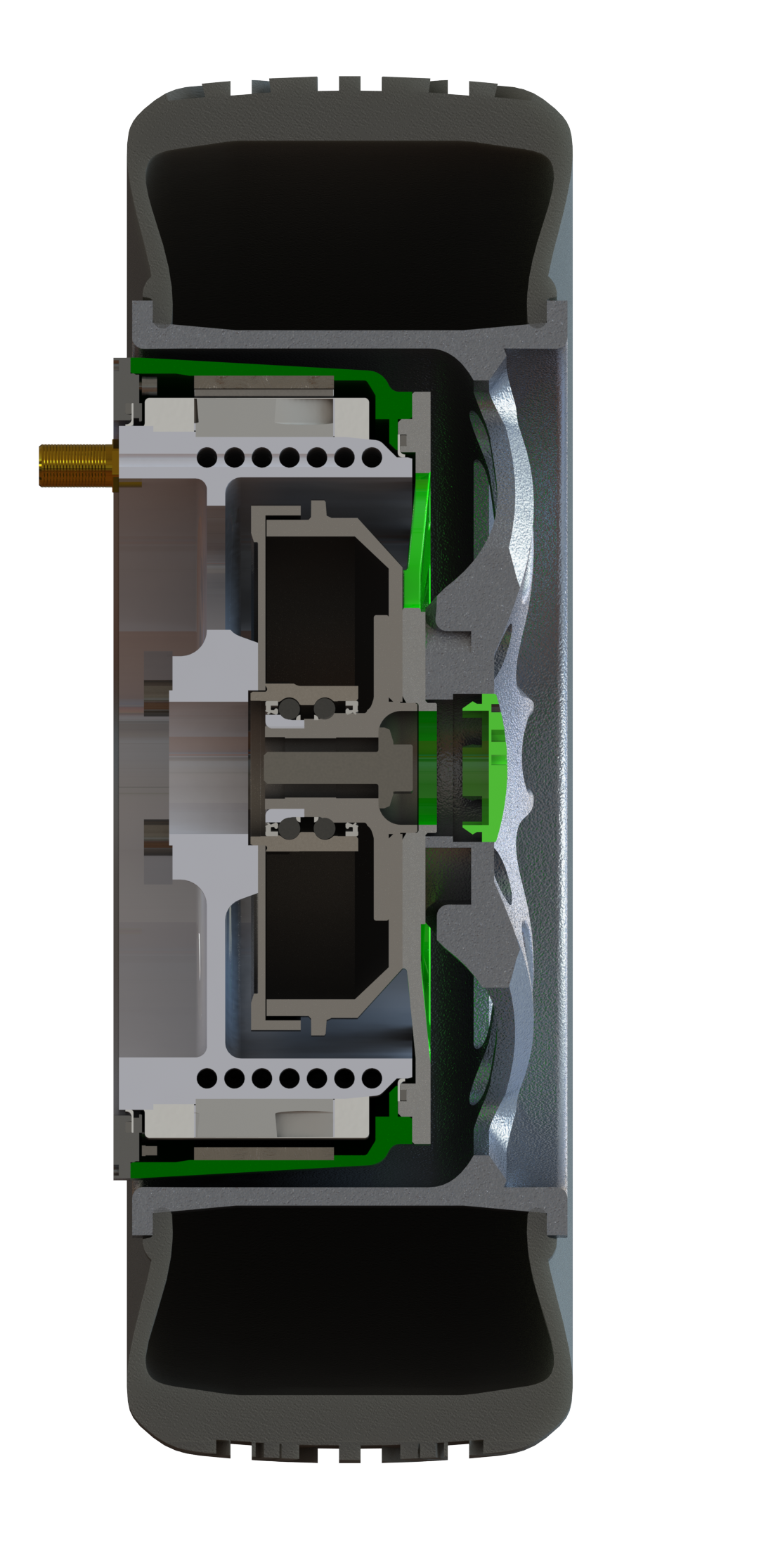
Our high torque motors are based on Elaphe electromagnetic topology, which enables all of the desired properties of an in-wheel electric motor. The core innovation in the electromagnetic part were developed in cooperation with an accomplished physicist, innovator and philosopher Andrej Detela and is part of a 20 year-old vision that has been brought to life by the Elaphe team. We constantly expand the theory and integrate new solutions into our motors. The main performance advantages of Elaphe electromagnetic topology are

  • High torque capability
  • Ultra low active weight
  • High efficiency (> 90%)
  • Efficient cooling
  • High degree of integrability
  • Low manufacturing costs

These all point to application in an in-wheel motor. It just makes sense.

Multiple functions in a single solution

The innovations behind Elaphe electromagnetic topology fully utilize a big majority of electromagnetically active parts. Parts are designed to fulfill multiple functions, such as magnetic flux or electrical current bearing, heat removal and structural rigidity at the same time. This is the path to low weight, low cost and simple production

Rim + tyre2v prerezuSmart-no drum#2

IMGP4439

Production

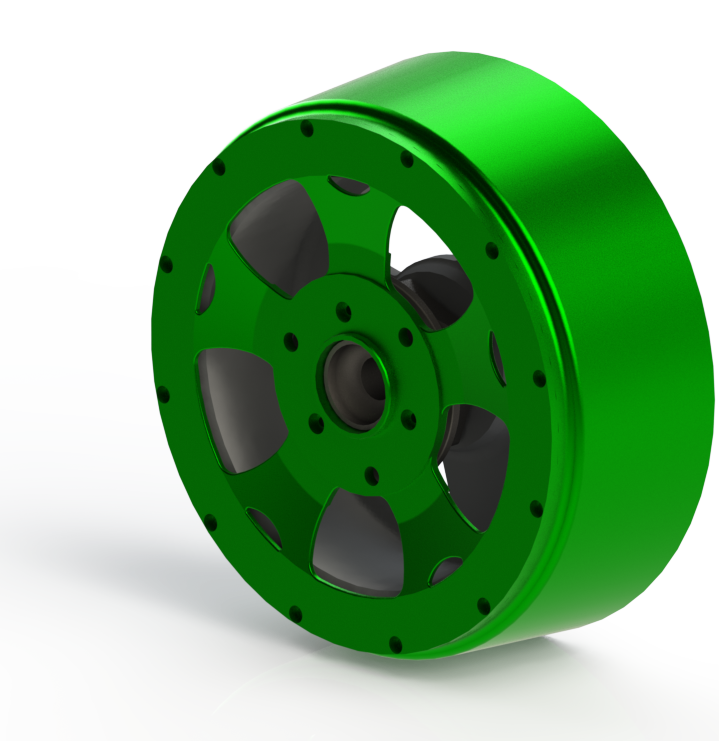
Elaphe uses state of the art manufacturing technologies to produce in-wheel motor elements. Manufacturing begins with the design stage where every part is 3d printed, assembled and preliminary tested for achieving geometrical restrictions. . Every in-wheel motor component is designed to minimize production costs, enhance simplicity without compromising the reliability of the product.
For production of in-wheel motors we use 3D plastic printing, aluminum casting, cnc milling and turning, grinding, laser welding and cutting, water jet cutting and stamping. We choose the technology based on design demands, specified tolerances and approximate production volumes. If production is done by the customer, the technology is tailored to the customers production capacities and capabilities.
Using the experience in motor design and assembly, Elaphe is dedicated to developing their own assembly and production tools in order to make production process more efficient and stable. Even at the prototype stage the production has to follow standards that will be applicable in mass production of in-wheel motors. Elaphe uses manual, semi-automated and automated tools to assemble the motors in optimum time.
When all parts of the motor are produced and acquired, the assembly procedure takes place. At every step of the assembly procedure there is a quality control check, whether the step was done properly and the sub assemblies meet corresponding standards.

Quality Control

Quality control

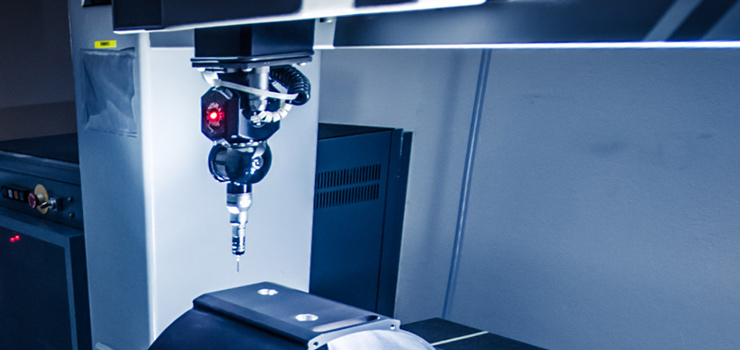
Every component of the Elaphe in-wheel electric motor is tested against faults and defects. Each element is tested for geometrical compliance using machine vision and 3D coordinate measuring machine in order to ensure manufacturing repeatability. Elaphe ensures that in-wheel motor materials are tested according to automotive standards.

PSD_460_web2

Condition monitoring

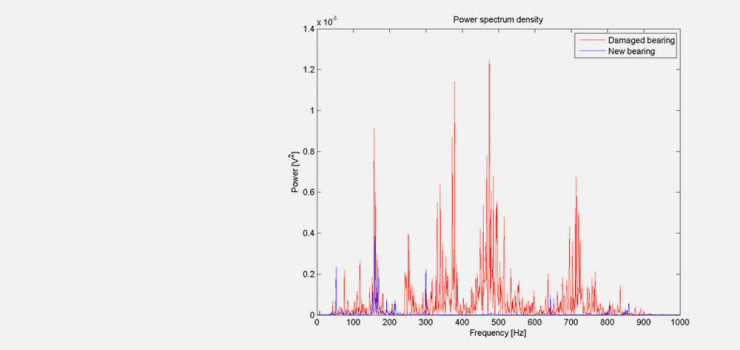
In-wheel motors are exposed to variable loads, which result in mechanical, thermal and electrical stress to the motor. Elaphe R&D team is working hard to employ powerful techniques such as condition monitoring to ensure operator safety and achieve high durability and reliability of Elaphe in-wheel electric motors. Testing is done in laboratory and on the operating vehicles. By monitoring critical mechanical and electromagnetic parameters of the in-wheel motor, we can detect and even predict faults, thus maximizing the service life and safety of our direct drive motors. We strongly believe that condition monitoring is essential to acceptance and the future development of automotive in-wheel motors.

IMGP4305

Testing

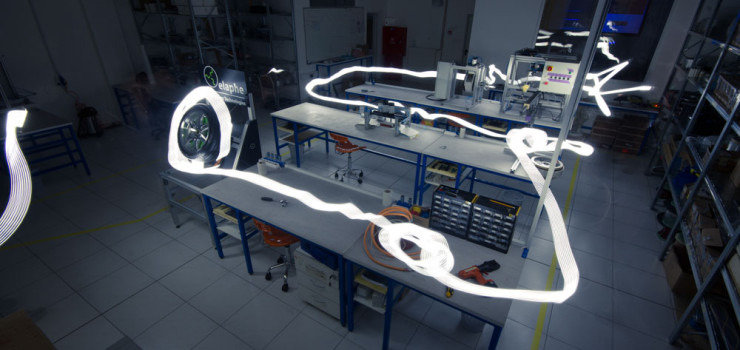
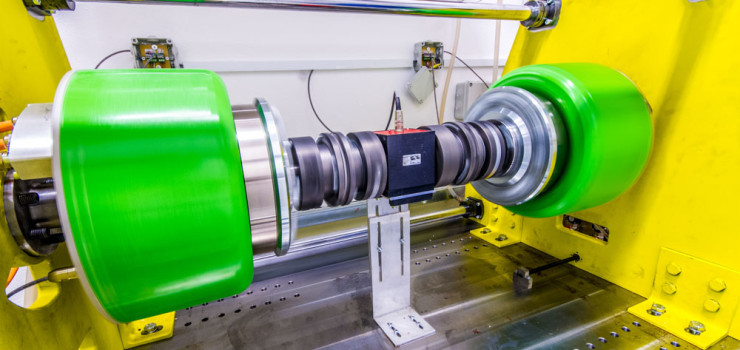
Elaphe Propulsion Technologies Ltd. houses a state of the art laboratory for testing high-torque in-wheel motors and related components for up to 1000 Nm. Given the fact that our existing in-wheel motors produce up to 100 kW and that we require the ability to test the motors in continuous conditions, we have developed a special concept of measurement station. The flexible power source concept can provide a DC source from 12-400V, either from the grid or from our battery bank – but the power that is used for running the motor, is largely returned to the system by the identical motor used as an electrical brake. Only power losses in the motor are covered by the power source so more than 90% of the energy is saved and the power source can be smaller. Cooling system is very similar to those used in cars and is equipped with valves and sensors of flow and temperature so different cooling conditions can be simulated.
The test bench is controlled by our own automatic measuring program, that calibrates itself to the tested motor and carries out the desired testing procedures. Automatic data processing ensures that measurements are comparable and can be tracked over a long period of time. Since the motors are controlled directly from the testing software, driving cycles can be imposed and continuous tests can be performed for real conditions.

Besides lab tests Elaphe also tests in-wheel motors in the real environment on development vehicles. The vehicles are used in a variety of different driving conditions, such as snow, mud, rain, gravel and sand. The vehicles are also used on a daily basis by Elaphe personnel and have been an exceptional reliable source of clean and efficient transportation for many years now.